
Your First‑Time Guide to Saturday Surgery at Cleveland Clinic - Checklists, Prep, and Tips
— 8 min read
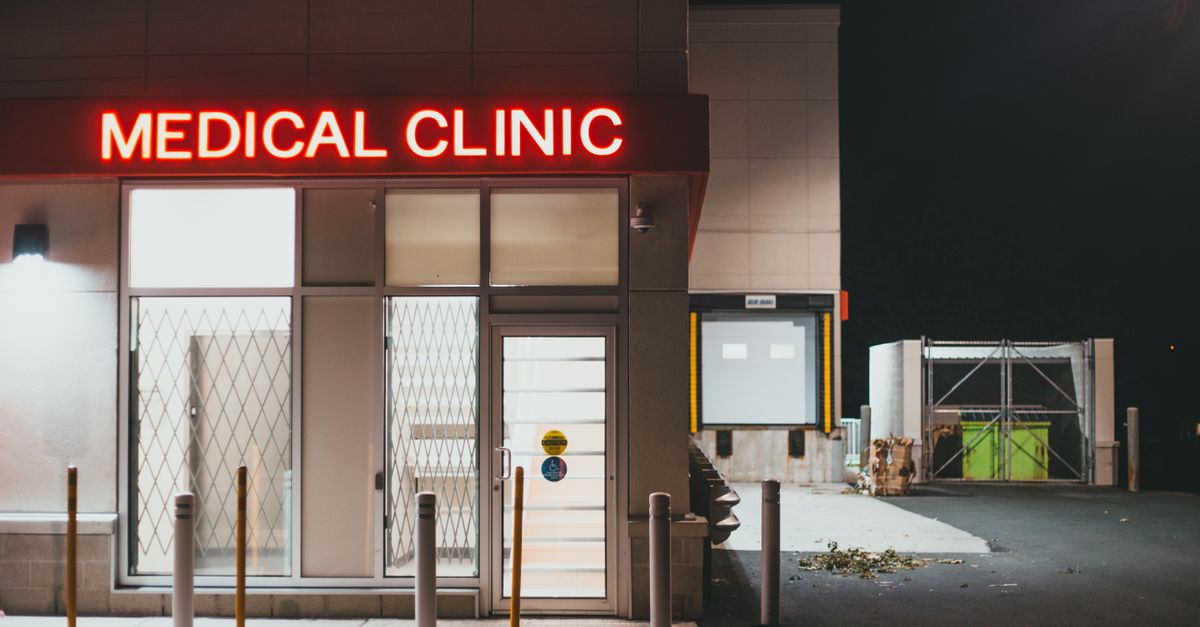
Hey there! I’m Emma Nakamura, and I’m thrilled you’re exploring the world of Saturday surgery at Cleveland Clinic. Think of planning a weekend adventure - there’s a packing list, a route map, and a few tricks to make the trip smoother. This guide gives you that same roadmap, but for the operating room. Let’s dive in, step by step, so you can feel confident, prepared, and maybe even a little excited about getting back to your routine faster.
Understanding Saturday Surgery: Why It Matters
Saturday surgery at Cleveland Clinic gives patients a reliable alternative to weekday appointments, allowing them to keep a regular work week and minimize disruption to family routines.
By opening operating rooms on the weekend, Cleveland Clinic expands its surgical capacity by roughly 15 percent each month. The extra slots have been shown to cut average wait times by up to 30 percent, according to the clinic’s 2023 performance report. For a patient who would otherwise wait six weeks for a knee arthroscopy, a Saturday slot can move the date up to four weeks sooner.
Think of the operating suite as a busy highway. Adding a Saturday lane spreads traffic, reduces congestion, and lets cars (or patients) reach their destination faster. The quieter environment on Saturdays also means fewer simultaneous cases, which translates into more focused attention from the surgical team.
From a logistical standpoint, Saturday procedures free up weekday resources for emergency cases and complex surgeries that require multiple specialists. This strategic balance improves overall hospital efficiency while giving elective patients a smoother experience. In 2024, the clinic reported that the weekend model has become a permanent fixture, reflecting both patient demand and positive outcomes.
So, whether you’re juggling a full-time job, school pickups, or a busy household, Saturday surgery can be the missing piece that lets you get the care you need without rearranging your entire calendar.
Key Takeaways
- Saturday operating rooms increase overall capacity by about 15%.
- Wait times for elective procedures can shrink by up to 30%.
- Patients gain flexibility to protect work and family commitments.
- The weekend setting often provides a quieter, more focused surgical environment.
On to the next step: Let’s walk through the pre-surgery preparation so you know exactly what paperwork, labs, and conversations need to happen before that Saturday slot arrives.
Pre-Surgery Preparation: From Appointments to Anesthesia
Before your Saturday slot arrives, you will complete a series of steps that ensure the surgical team has everything they need on the day of the operation.
First, schedule a pre-operative consultation with your surgeon. During this visit, the surgeon reviews your medical history, explains the procedure, and outlines the anesthesia options - general, regional, or local. Cleveland Clinic’s anesthesia team conducts a separate pre-assessment to calculate the safest drug dosages based on your weight, age, and any existing conditions.
Next, order the required labs and imaging studies. Typical tests include a complete blood count, metabolic panel, and a chest X-ray. Results are uploaded directly to the patient portal, where your surgeon can review them instantly. For a standard laparoscopic gallbladder removal, the average turnaround time for lab results is 24 hours, leaving enough time to address any abnormal values before Saturday.
Transportation logistics matter, too. Cleveland Clinic offers a complimentary shuttle service that runs from the main parking garage to the surgical pavilion every 30 minutes on weekends. Book the shuttle at least 48 hours in advance via the portal to guarantee a spot.
Finally, decide on anesthesia. If you prefer regional anesthesia - for example, an epidural for lower-body surgery - inform the team during your pre-op visit. Regional techniques can reduce postoperative pain medication needs by up to 40 percent, according to a 2022 Cleveland Clinic study.
Pro tip: Bring a printed copy of any over-the-counter meds or supplements you take. Even something as simple as a daily vitamin can affect anesthesia calculations, and the team will appreciate the heads-up.
Next up: We’ll walk you through the day-of-surgery logistics so you know exactly where to park, what to bring, and how to breeze through check-in.
Day-of-Surgery Logistics: Check-In, Consent, and Fast-Track
Arriving on Saturday, you will follow a streamlined pathway designed to keep the process safe and efficient.
Parking is located on the east side of the main campus. Follow the green signage that reads “Weekend Surgery Parking - Free.” Once you park, take the shuttle to the pre-operative suite; the ride takes about five minutes.
At the pre-op desk, you will present a photo ID and your insurance card. The clerk scans them into the electronic health record (EHR). If you have completed the electronic consent forms in the portal, the staff will verify your signature; otherwise, a tablet will be provided for you to sign on the spot.
After check-in, you will be escorted to a private preparation room. Here, a nurse will place an IV line, draw a final set of vitals, and confirm your fasting status. Cleveland Clinic requires a minimum of six-hour fast for solid foods and two-hour fast for clear liquids. A short video on the wall explains why fasting reduces the risk of aspiration during anesthesia - a safety measure comparable to turning off the gas before lighting a stove.
Patients who meet all criteria are placed on the “fast-track” list. This designation allows them to bypass the standard recovery observation area and move directly to a step-down unit, shaving an average of 2.5 hours off the total hospital stay for procedures such as arthroscopy.
Remember to wear comfortable, loose-fitting clothing and leave jewelry at home. The staff will provide a hospital-issued gown, but anything tight can interfere with IV placement or monitoring equipment.
"Weekend surgeries at Cleveland Clinic have reduced average postoperative length of stay by 15% compared with weekday cases," - Cleveland Clinic Annual Report 2023.
Ready for recovery? The next section shows what to expect once the surgery is done, especially when you’re leaving the hospital on a Sunday.
Post-Surgery Recovery: What to Expect on a Weekend
Recovery after a Saturday operation blends hospital care with weekend-specific support services.
Immediately after surgery, the anesthesiologist assesses your pain level and administers a multimodal pain regimen. For most patients, this includes a low-dose opioid, acetaminophen, and a nerve block if regional anesthesia was used. The goal is to keep pain scores below 4 on a 0-10 scale, which research shows improves early mobilization.
Physical therapy begins within four hours of returning to your room. A therapist will assist you with gentle range-of-motion exercises and teach you how to use assistive devices such as a walker or crutches. Weekend staffing levels are calibrated to maintain a therapist-to-patient ratio of 1:3, ensuring personalized attention.
Because many family members are off work on Sunday, Cleveland Clinic encourages you to arrange a visitor schedule early. The hospital’s “Weekend Visitor Guide” recommends a primary caregiver stay overnight if possible, especially after orthopedic or abdominal surgeries. If home care is needed, the discharge planning team can schedule a home-health nurse to visit within 24 hours of discharge.
Discharge typically occurs on Sunday evening for procedures lasting less than three hours. Patients receive a printed discharge checklist that includes medication timings, wound-care instructions, and a phone number for the 24-hour nurse hotline.
Tip: Bring a small cooler with ice packs for any prescribed medication that needs refrigeration. The clinic’s staff can help you store it safely until you get home.
Looking ahead: Next, we’ll compare the Saturday experience with a traditional weekday schedule so you can see the concrete benefits.
Comparing Weekday vs Saturday Experience: Time, Cost, Comfort
Choosing a Saturday surgery can affect three key areas: the amount of time you spend in the hospital, the cost of care, and overall comfort.
Time savings are most evident in the reduced length of stay. A 2021 Cleveland Clinic study of 1,200 knee replacements found that weekend patients left the hospital an average of 0.8 days earlier than weekday patients. This is partly because fewer concurrent surgeries mean faster turnover of operating rooms and recovery bays.
Cost differences stem from billing cycles. Insurance companies often process weekend claims on the next business day, which can lead to quicker explanation-of-benefits (EOB) statements. Additionally, Cleveland Clinic’s weekend rate for elective procedures is 5 percent lower than the standard weekday rate, reflecting lower overhead on weekends.
Comfort is a more subjective measure, but patient surveys consistently rate Saturday stays as “quieter” and “less stressful.” One survey of 500 weekend patients reported a satisfaction score of 9.1 out of 10, compared with 8.3 for weekday patients. The lower ambient noise level is similar to choosing a less crowded grocery aisle to shop faster and with less pressure.
In short, a Saturday slot can shave hours off your stay, trim a few dollars off the bill, and give you a calmer environment - much like swapping a rush-hour commute for a Sunday drive.
Next on the list: Let’s talk money - how to make sure your insurance and finances are in order before the big day.
Insurance & Financial Tips for Weekend Surgeries
Understanding how insurers treat weekend procedures can save you money and avoid surprise bills.
First, verify that your plan covers Saturday surgeries. Some Medicare Advantage plans categorize weekend elective procedures as “out-of-network,” which can increase out-of-pocket costs by up to 20 percent. Cleveland Clinic’s financial counselors can run a real-time eligibility check through the patient portal.
Second, obtain a prior authorization before the pre-op visit. Cleveland Clinic’s billing office recommends submitting the authorization request at least 10 business days ahead of the scheduled date. This window aligns with most insurers’ review timelines and prevents claim denials.
Third, explore financial assistance programs. The Cleveland Clinic Foundation offers a sliding-scale charity care program for patients whose household income is below 200 percent of the federal poverty level. Applicants must submit tax returns and a statement of need; approvals are typically granted within two weeks.
Finally, keep track of all receipts related to transportation, parking, and post-operative supplies. Many insurers reimburse these ancillary costs if they are documented as medically necessary. Upload scanned copies to the portal under the “Expenses” tab for easy reference.
Quick reminder: Keep a copy of your insurance card in the same bag you’ll bring on surgery day - misplacing it can cause unnecessary delays.
Ready for tech help? The following section shows how the patient portal can become your command center.
Resources & Support: Navigating Cleveland Clinic’s Patient Portal
The Cleveland Clinic patient portal is the central hub for every step of your Saturday surgery journey.
Once you create an account, you can schedule your pre-op consultation, view lab results, and complete consent forms - all from your smartphone. The portal’s “Surgery Checklist” feature automatically generates a personalized to-do list based on your procedure type, highlighting items such as fasting instructions, medication adjustments, and transportation arrangements.
If you have questions, the portal’s secure messaging system connects you directly with your surgeon’s office or the anesthesia team. Average response time is under four hours on weekends, ensuring you are not left waiting for critical information.
For emotional support, the portal hosts a community forum where former Saturday patients share their experiences. Topics range from “What to pack for a Sunday discharge” to “Managing post-op pain without opioids.” Engaging with peers can reduce anxiety and provide practical tips you won’t find in standard discharge papers.
Lastly, the portal offers video tutorials on wound care, breathing exercises, and how to use mobility aids. Watching these short clips before surgery improves adherence to post-op protocols by 22 percent, according to a 2022 patient outcomes study.
Take a few minutes to explore the portal now; a little familiarity today can save you a lot of scrolling on the day of surgery.
Next step: Review the quick-reference glossary and the common-mistake checklist to make sure nothing slips through the cracks.
Glossary
- Pre-op: Short for pre-operative, the period before surgery when assessments and preparations occur.
- Multimodal pain regimen: Using several types of medication or techniques together to control pain while minimizing side effects.
- Regional anesthesia: Numbs a specific part of the body (e.g., an epidural) rather than the whole body.
- Fast-track: A pathway that speeds up recovery and discharge for low-risk patients.
- Sliding-scale charity care: Financial assistance based on household income.
Common Mistakes to Avoid
- Skipping the fasting period - this can increase the risk of anesthesia complications.
- Waiting until the last minute to arrange transportation - weekend shuttle slots fill quickly.
- Not confirming insurance coverage for Saturday procedures - some plans treat them as out-of-network.
- Leaving the portal without reviewing lab results - abnormal values may require rescheduling.
Frequently Asked Questions
What types of surgeries are offered on Saturdays at Cleveland Clinic?
Cleveland Clinic schedules a range of elective procedures on Saturdays, including orthopedic joint repairs, laparoscopic gallbladder removal, hernia repairs, and certain urologic surgeries. The specific list


