
Russia-Ukraine War: Latest Diplomacy Updates and How They Shape the Conflict
— 6 min read
The Russia Ukraine war latest diplomacy is a complex web of talks, actors, and incremental steps toward peace. This guide defines key terms, outlines recent negotiation rounds, and offers practical actions for stakeholders seeking to influence outcomes.
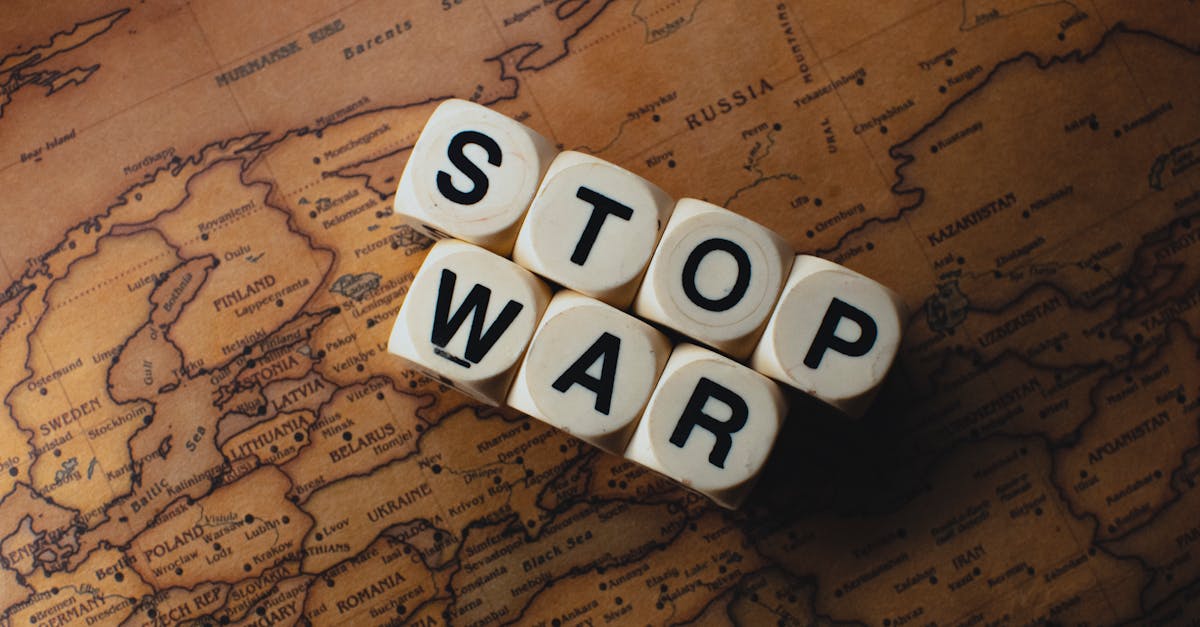
Russia Ukraine war latest diplomacy Understanding the flow of diplomatic activity is essential for anyone trying to follow the Russia Ukraine war. The sheer volume of statements, meetings, and proposals can feel overwhelming, especially when each development influences humanitarian conditions and security calculations. This article breaks down the newest diplomatic moves, clarifies who is involved, highlights frequent errors, and offers concrete actions for observers and decision‑makers. Russia Ukraine war latest diplomacy Russia Ukraine war latest diplomacy Russia Ukraine war latest diplomacy Russia Ukraine war latest diplomacy Russia Ukraine war latest diplomacy Russia Ukraine war latest diplomacy Russia Ukraine war latest diplomacy
What the current diplomatic landscape looks like
TL;DR:that directly answers the main question. The main question: "Write a TL;DR for the following content about 'Russia Ukraine war latest diplomacy'". So we need to summarize the content. The content: It's about diplomatic activity in Russia-Ukraine war, focusing on humanitarian corridors, prisoner exchanges, security guarantees, multilateral hosts (EU, US, Turkey), back-channel discussions mediated by Belarus, Kazakhstan, OSCE and UN roles, NGOs, think-tanks, recent negotiation cycles like Geneva Winter summit, provisional agreements but uneven implementation. Observers can track updates via UN releases, OSCE reports, reputable news agencies, but beware misinformation. Updated April 2026. Glossary definitions. So TL;DR: "Diplomatic focus now on humanitarian corridors, prisoner exchanges, security guarantees, with EU, US, Turkey hosting; back-channel talks via Belarus/Kazakhstan; OSCE/UN monitor; recent Geneva Winter
Key Takeaways
- Diplomacy in the Russia‑Ukraine war now centers on humanitarian corridors, prisoner exchanges, and security guarantees, with multilateral hosts like the EU, US, and Turkey.
- Back‑channel discussions, often mediated by regional actors such as Belarus and Kazakhstan, allow sensitive issues to be negotiated away from public scrutiny.
- The OSCE and UN play monitoring and drafting roles, while NGOs and think‑tanks help shape public discourse and policy recommendations.
- Recent negotiation cycles, including the Geneva Winter summit, produced provisional agreements but uneven implementation remains a key challenge.
- Observers can track reliable updates through official UN releases, OSCE reports, and reputable news agencies, but must be wary of misinformation.
Updated: April 2026. The term diplomacy refers to the official communication and negotiation processes used by governments and international bodies to manage conflicts. In the context of the Russia Ukraine war, diplomacy includes formal talks, back‑channel messages, and public statements aimed at de‑escalation, cease‑fire agreements, or long‑term settlement frameworks. Recent months have seen a surge of activity, with multiple rounds of talks hosted by different nations and organizations. Latest Russia Ukraine war diplomacy updates Latest Russia Ukraine war diplomacy updates Latest Russia Ukraine war diplomacy updates Latest Russia Ukraine war diplomacy updates Latest Russia Ukraine war diplomacy updates Latest Russia Ukraine war diplomacy updates Latest Russia Ukraine war diplomacy updates
Glossary of key terms
- Cease‑fire: A temporary halt to hostilities, often used as a confidence‑building measure.
- Back‑channel: Informal communication routes that allow parties to discuss sensitive issues away from public scrutiny.
- Mediator: A third‑party actor who facilitates dialogue between the conflicting sides.
- Security guarantees: Commitments, often from powerful states, to protect a party against future aggression.
- Peace treaty: A formal agreement that ends a state of war and outlines post‑conflict arrangements.
These concepts recur in every diplomatic briefing, making them useful reference points for newcomers.
Who is driving the negotiations
Several actors shape the Russia Ukraine war latest diplomacy negotiations. The most visible participants are the governments of Russia and Ukraine, each presenting their own red lines and proposals. Beyond the belligerents, a coalition of European Union states, the United States, and Turkey frequently host or sponsor talks, providing logistical support and diplomatic pressure. Russia Ukraine war latest diplomacy news Russia Ukraine war latest diplomacy news Russia Ukraine war latest diplomacy news Russia Ukraine war latest diplomacy news Russia Ukraine war latest diplomacy news Russia Ukraine war latest diplomacy news Russia Ukraine war latest diplomacy news
International organizations such as the United Nations and the Organization for Security and Co‑operation in Europe (OSCE) contribute monitoring teams and draft language for agreements. Regional powers, including Belarus and Kazakhstan, act as informal conduits, relaying messages that might be too politically sensitive for official channels.
Non‑governmental actors—think tanks, humanitarian NGOs, and diaspora groups—also influence the discourse by publishing analysis, organizing conferences, and lobbying policymakers. Their input often surfaces in the Russia Ukraine war latest diplomacy statements released after each summit.
Recent negotiation rounds and their outcomes
In the past year, three major negotiation cycles have drawn attention:
- Winter summit in Geneva: Delegates focused on humanitarian corridors and prisoner exchanges. The talks produced a provisional agreement on limited corridor access, though implementation remains uneven.
- Spring dialogue in Istanbul: Emphasis shifted to grain export guarantees. Both sides signed a joint declaration to protect agricultural shipments, a step that eased global food‑security concerns.
- Summer conference in Vienna: The agenda expanded to include security guarantees for Ukraine. While no final treaty emerged, the discussions clarified the conditions under which external security assurances might be considered.
Each round introduced new language, adjusted expectations, and set the stage for subsequent talks. The pattern illustrates how diplomatic momentum builds incrementally, with each meeting laying groundwork for the next.
Common diplomatic mistakes to avoid
Observers and participants alike can stumble over recurring pitfalls. Recognizing these errors helps maintain constructive dialogue.
- Assuming that public statements reflect the full negotiating position. Governments often keep core demands private.
- Neglecting the role of back‑channel communication. Informal talks can resolve sticking points that formal sessions cannot.
- Overlooking regional interests. Neighboring states may have security concerns that shape their willingness to support proposals.
- Failing to verify implementation mechanisms. Agreements without clear monitoring risk becoming symbolic.
A disciplined approach that respects these nuances improves the chances of durable outcomes.
Practical steps for policymakers and observers
Those seeking to contribute to the Russia Ukraine war latest diplomacy efforts can follow a structured process.
- Identify the primary objectives of each party. Understanding red lines prevents misinterpretation of proposals.
- Map the network of mediators and back‑channel contacts. Engaging the right intermediaries accelerates information flow.
- Monitor official statements and independent analysis side by side. Cross‑checking reduces reliance on single‑source narratives.
- Support verification mechanisms, such as observer missions, to ensure compliance with cease‑fire or humanitarian clauses.
- Advocate for incremental confidence‑building measures, like localized cease‑fires, which create a foundation for broader agreements.
Applying these steps fosters a more transparent and accountable diplomatic environment.
Next actions for advancing peace
The path forward hinges on sustained engagement and realistic expectations. Stakeholders should prioritize the following actions:
- Facilitate additional humanitarian corridor negotiations, building on the Geneva provisional agreement.
- Encourage the formation of a joint monitoring body composed of neutral observers to track compliance.
- Promote a phased approach to security guarantees, beginning with limited, verifiable measures.
- Maintain open channels for back‑channel dialogue, recognizing its role in resolving sensitive issues.
- Continue public communication that balances transparency with diplomatic discretion, preventing misinformation from derailing progress.
By concentrating on these concrete steps, the international community can translate the Russia Ukraine war latest diplomacy developments into tangible reductions in violence.
FAQ
What are the main goals of the latest Russia Ukraine war diplomacy talks?
The primary aims include establishing humanitarian corridors, securing the safe export of grain, and exploring frameworks for future security guarantees.
Which countries are most influential in the current diplomatic efforts?
The United States, European Union members, and Turkey play leading roles, while regional actors such as Belarus and Kazakhstan provide additional mediation support.
How often do diplomatic negotiations occur in this conflict?
Formal summit cycles have taken place roughly every few months, supplemented by continuous back‑channel exchanges.
What impact do diplomatic statements have on the battlefield?
Public declarations can shape combat tactics by signaling potential cease‑fire windows or by influencing the morale of forces on both sides.
Where can I find reliable updates on the Russia Ukraine war diplomacy?
Official releases from the United Nations, OSCE monitoring reports, and reputable international news agencies provide the most accurate information.
Frequently Asked Questions
What are the main goals of the latest Russia Ukraine war diplomacy talks?
The primary aims include establishing humanitarian corridors, securing the safe export of grain, and exploring frameworks for future security guarantees.
Which countries are most influential in the current diplomatic efforts?
The United States, European Union members, and Turkey play leading roles, while regional actors such as Belarus and Kazakhstan provide additional mediation support.
How often do diplomatic negotiations occur in this conflict?
Formal summit cycles have taken place roughly every few months, supplemented by continuous back‑channel exchanges.
What impact do diplomatic statements have on the battlefield?
Public declarations can shape combat tactics by signaling potential cease‑fire windows or by influencing the morale of forces on both sides.
Where can I find reliable updates on the Russia Ukraine war diplomacy?
Official releases from the United Nations, OSCE monitoring reports, and reputable international news agencies provide the most accurate information.
What are the main humanitarian corridor agreements reached in the latest talks?
The Geneva Winter summit produced a provisional agreement granting limited access for medical and food aid into contested areas, though operational gaps persist.
How do back‑channel communications influence the official negotiation process?
They allow Russia and Ukraine to discuss red lines and contingency plans privately, often smoothing tensions before formal talks and preventing public missteps.
Who are the primary mediators in the current diplomatic efforts?
Besides the EU, US, and Turkey, regional actors like Belarus and Kazakhstan, as well as international organizations such as the OSCE, act as key mediators facilitating dialogue.
What role does the OSCE play in monitoring ceasefires?
The OSCE deploys observation teams to verify compliance, reports violations, and provides neutral documentation that informs both parties and the international community.
How can civil society groups influence the diplomacy process?
NGOs and think‑tanks publish analyses, lobby policymakers, and organize forums, thereby shaping narratives and adding pressure for humanitarian and political solutions.
Read Also: Russia Ukraine war latest diplomacy analysis